What to Visit
From the village to the archaeological site, from Almodôvar to the Mira reservoir: what to see in and around Santa Clara-a-Nova, in the Baixo Alentejo.
In the Village and Nearby
The essentials of Santa Clara-a-Nova: a settlement over two thousand years old, the museum that keeps its finds, and the church of the patron saint.
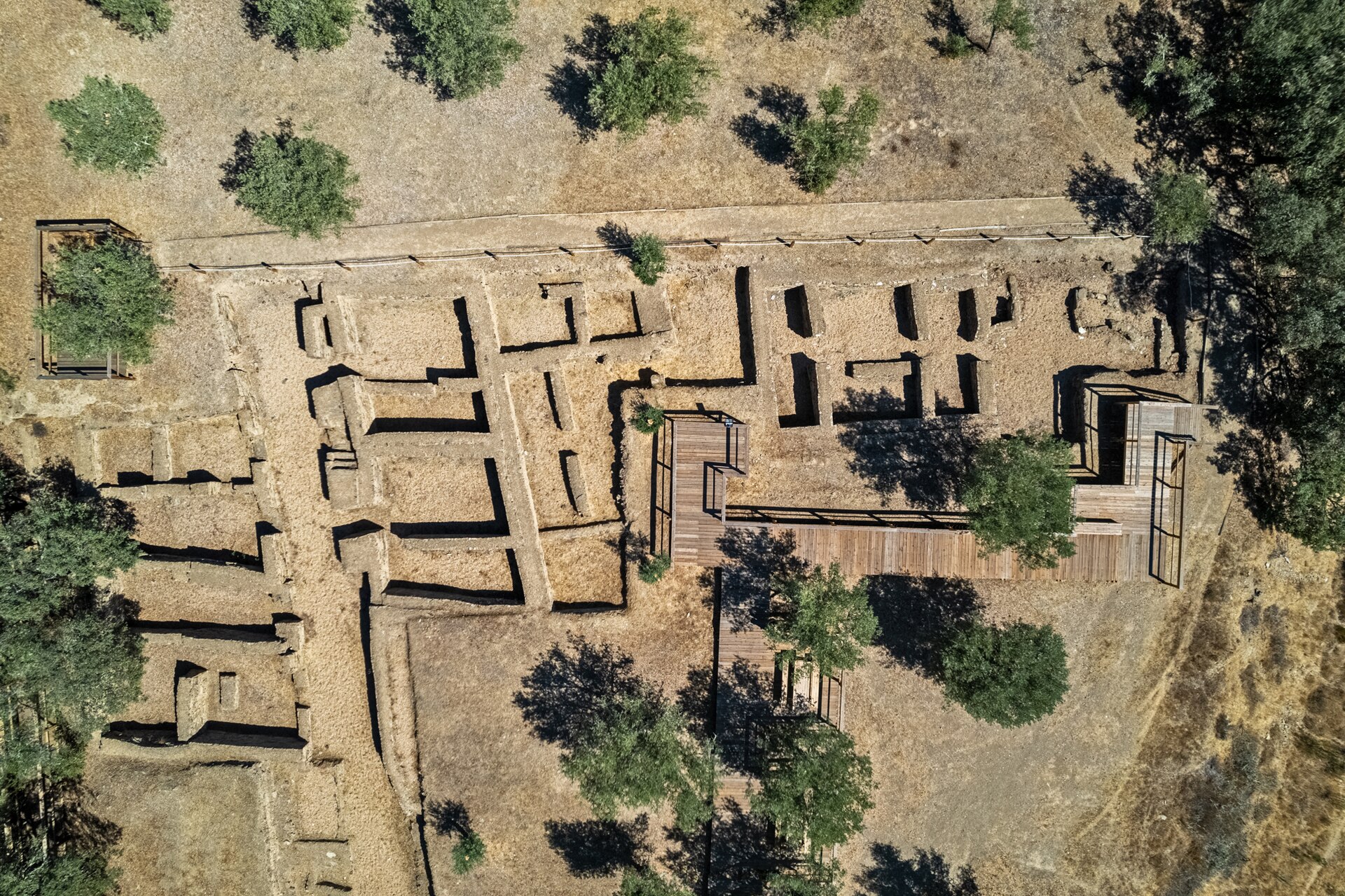
Mesas do Castelinho
1-2 hours
Fortified Iron Age settlement about 2 km from the village, with a Roman-era quarter and an Islamic fort. A listed Property of Public Interest.
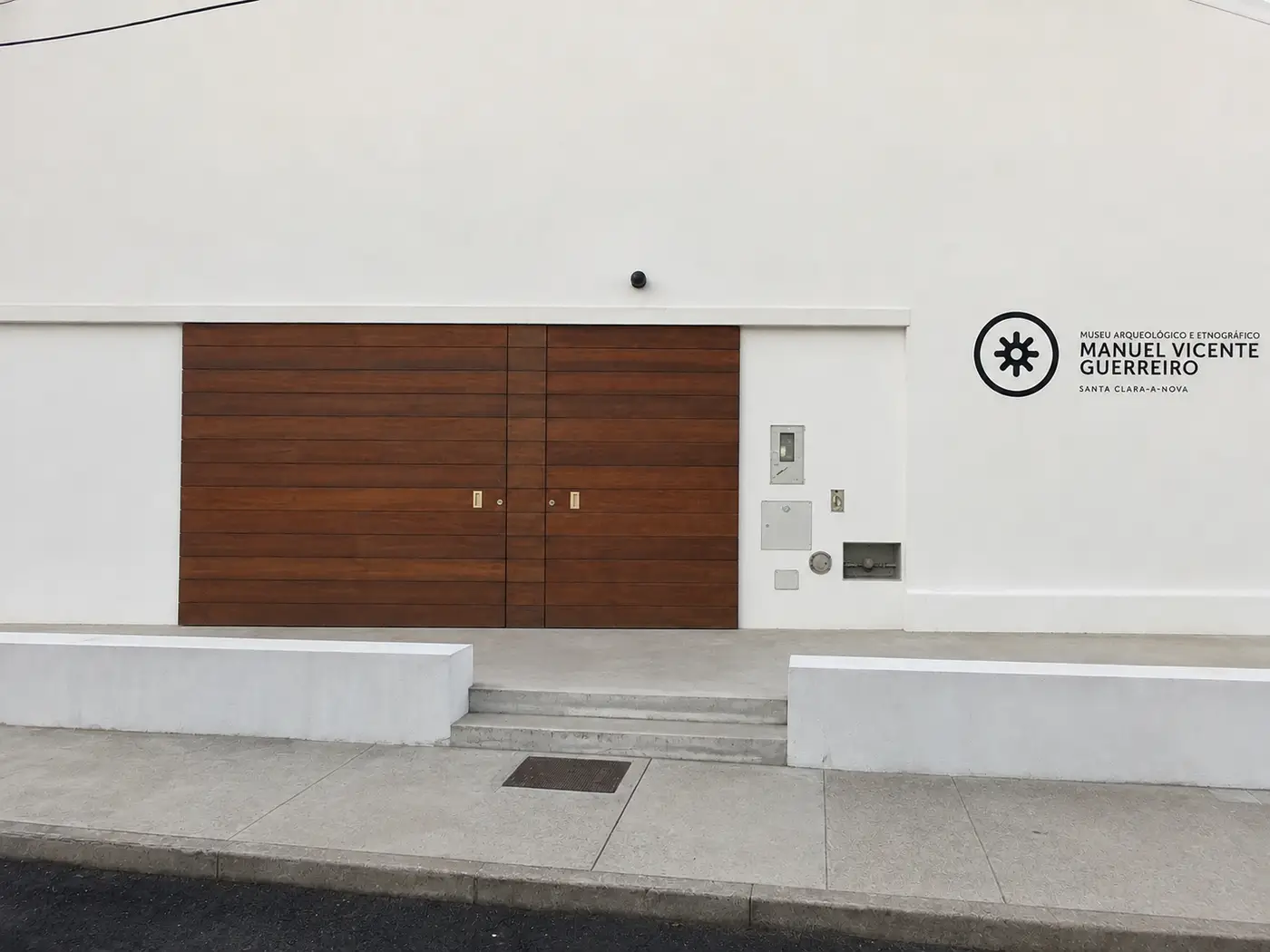
Manuel Vicente Guerreiro Museum
1 hour
Archaeology and ethnography museum in the village centre, with finds from Mesas do Castelinho and memories of rural life.
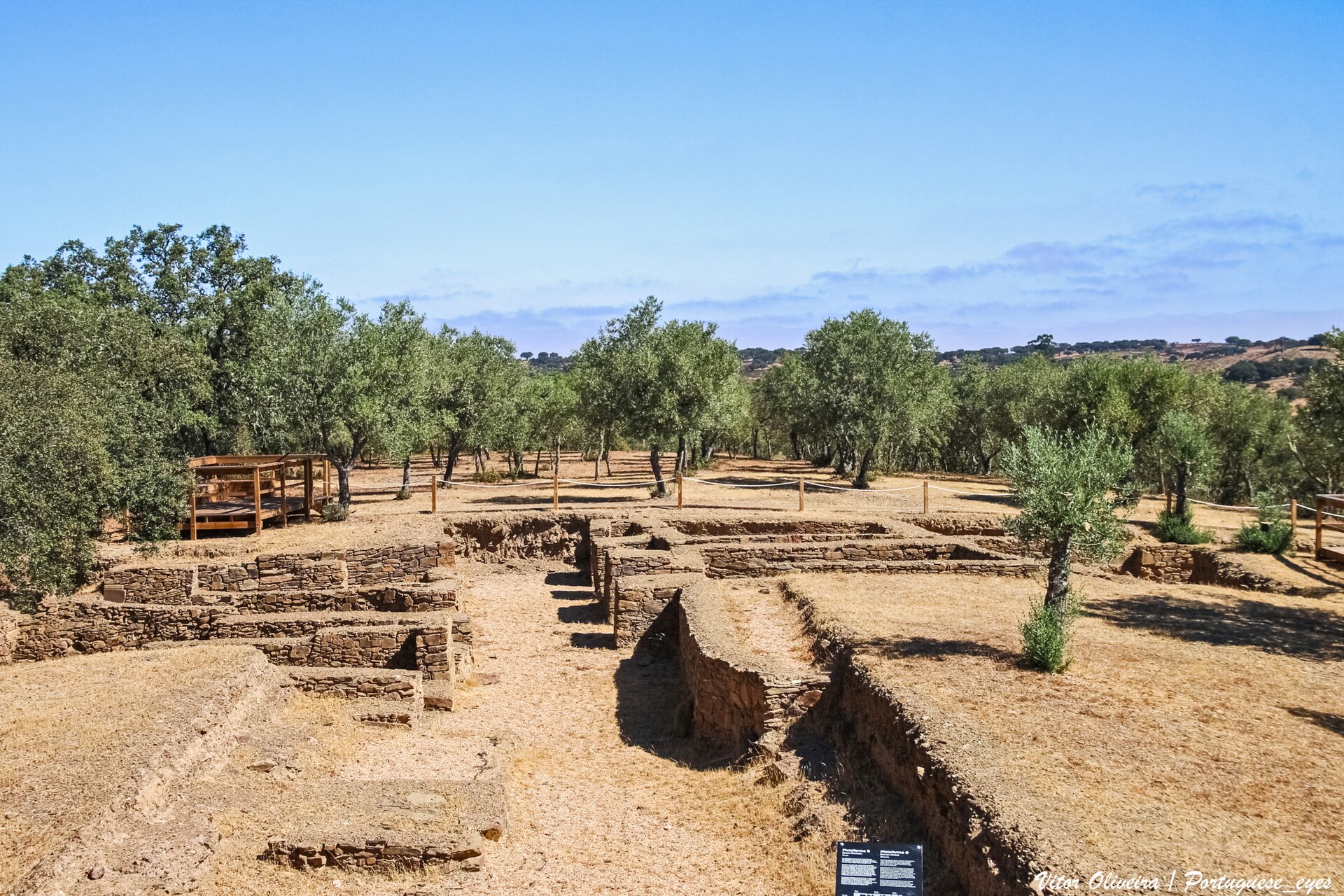
Guided Virtual Visits
360° panoramas of Mesas do Castelinho and the Monte Branco necropolis, with a virtual guide who tells the story of each place. Free, in the browser.
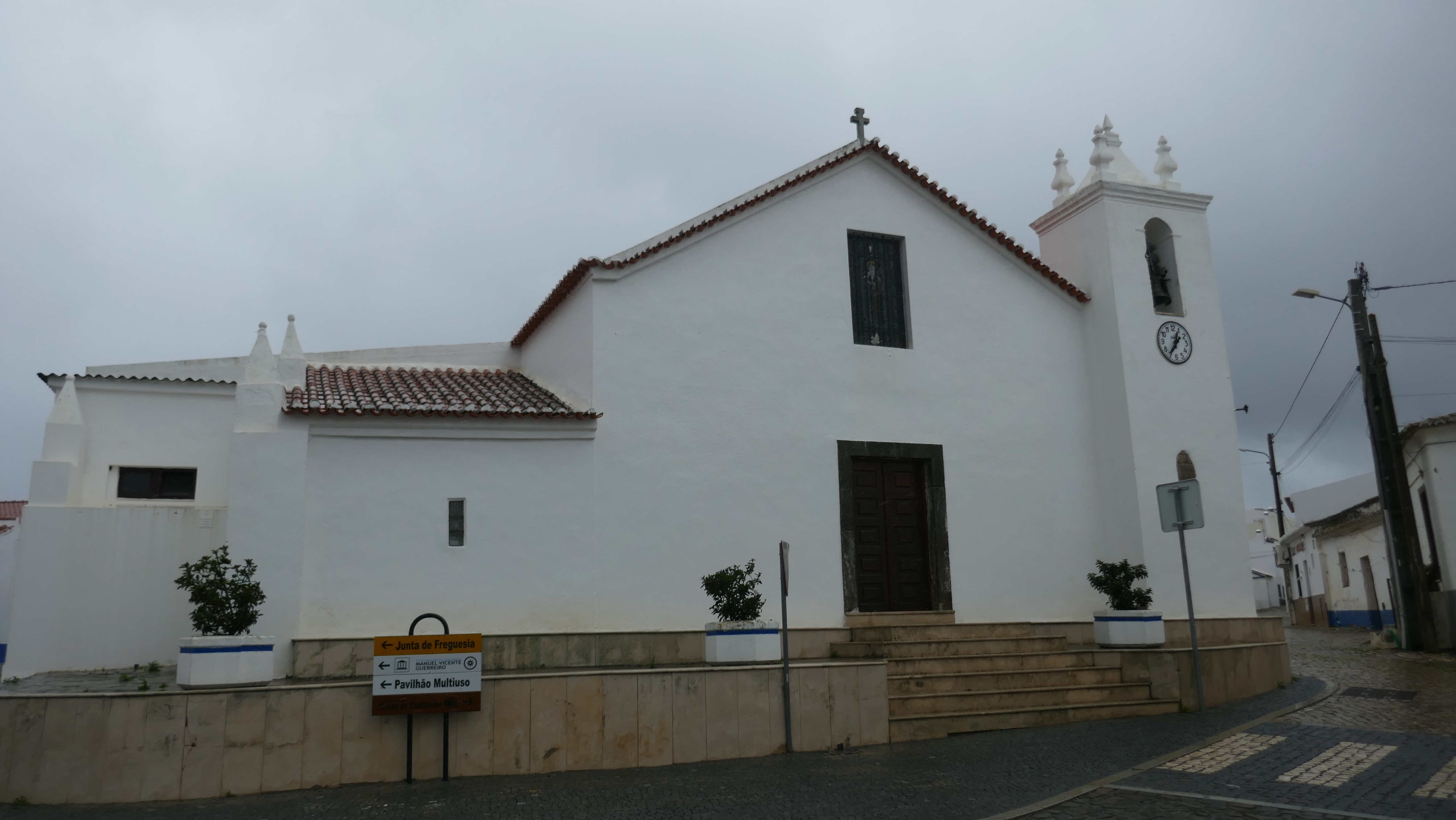
Parish Church of Saint Clare of Assisi
30 minutes
The patron saint's church, probably from the 16th-17th centuries, with popular Baroque altars and an 18th-century bell tower.
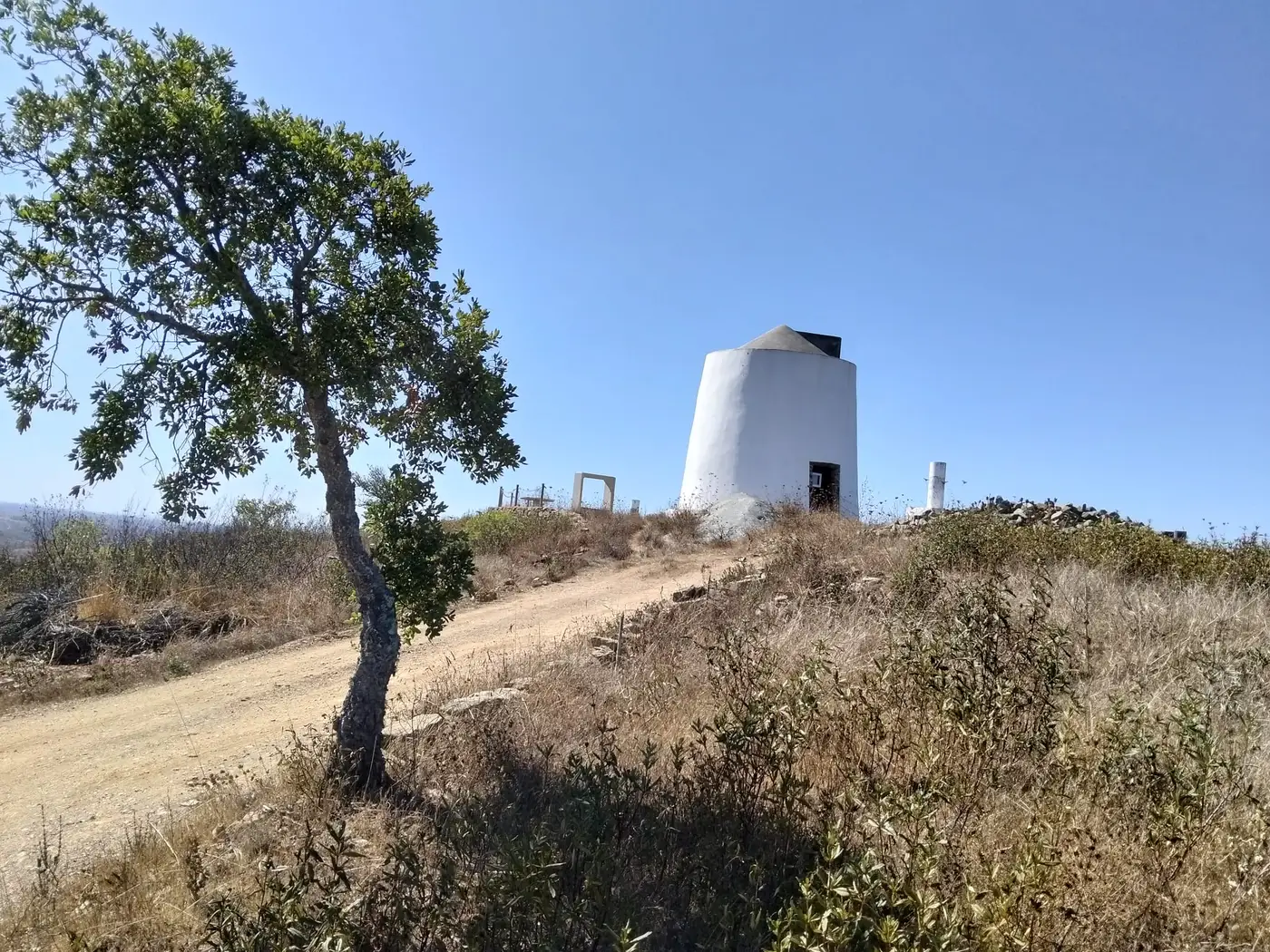
Boavista Windmill
A restored windmill on a 453 m summit, with views over the plain, the Serra do Caldeirão, Pico do Mú and the Monchique hills.
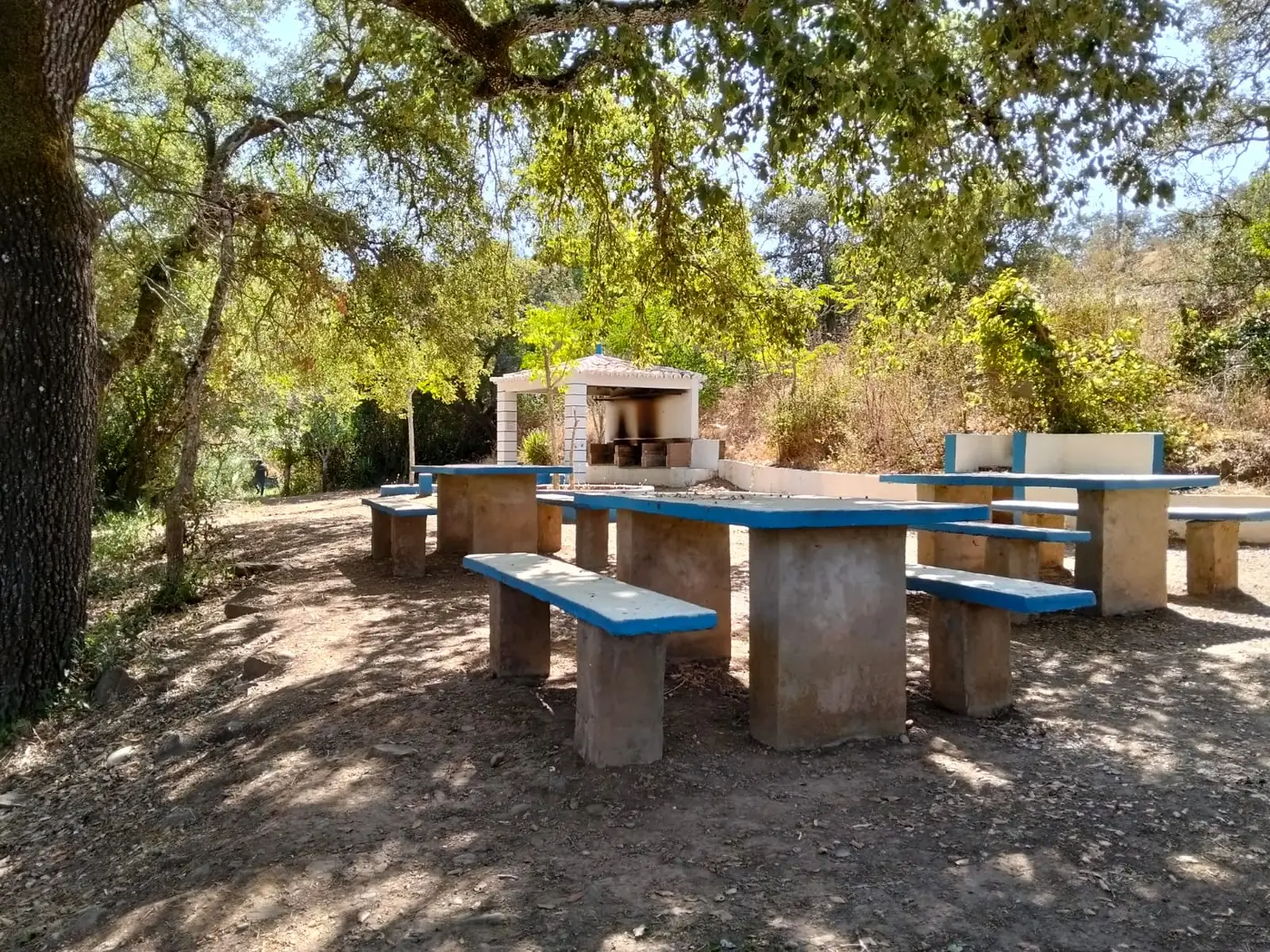
Picnic Park
Tables in the shade of holm oaks, covered barbecues and a traditional fountain, by a stream 2.6 km from the village.
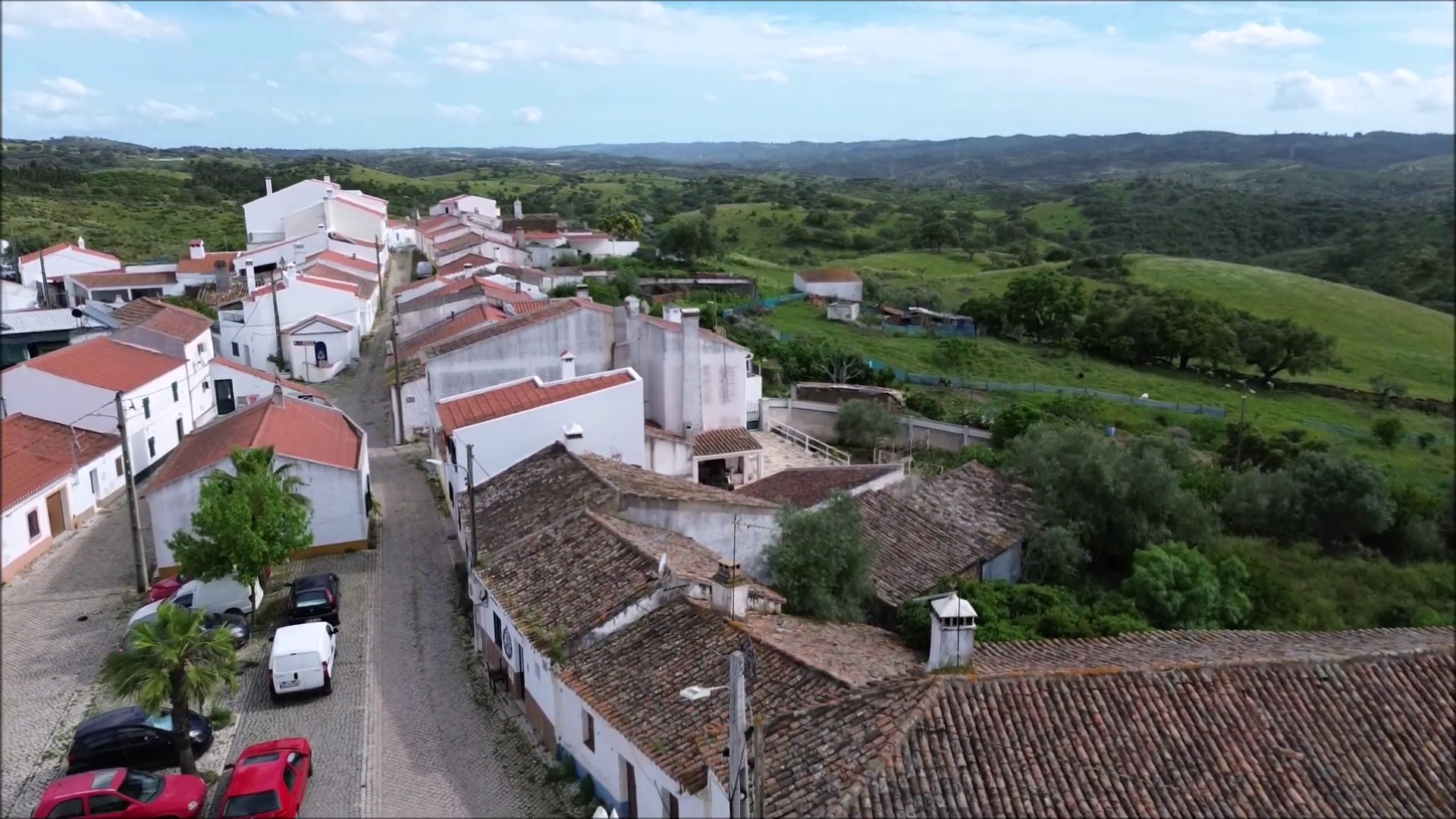
Walking in the Landscape
Informal walks through the cork and holm oak montado, the village streets and the walkways of the archaeological site.
Mesas do Castelinho
Details
| Distance from the village | ~2 km |
| Founded | Late 5th century BC |
| Abandoned | Early 2nd century AD |
| Islamic reoccupation | 9th to 11th centuries |
| Listed status | Property of Public Interest (1990) |
Highlights
- ◆Stela with Southwest Script (found in 2008)
- ◆Accessible walkways (since 2021)
- ◆Audio guides and multilingual QR codes
- ◆Views over the plain and the hills
Practical Information
Suggested duration: 1-2 hours
Entry: Free (outdoor site)
Contact: Almodôvar Town Hall: +351 286 660 600
- •Start at the Manuel Vicente Guerreiro Museum in the village for context
- •Comfortable shoes
- •Water and a hat in summer
Manuel Vicente Guerreiro Museum
Details
| Address | Rua da Estrada Municipal 29, Santa Clara-a-Nova |
| Opening hours | Tuesday to Sunday, 10:00-18:00 |
| Closed | Mondays |
| Opened | 2015 |
Highlights
- ◆Finds from Mesas do Castelinho
- ◆Ethnographic collection
- ◆Memory of traditional trades
Practical Information
Suggested duration: 1 hour
Contact: Almodôvar Town Hall: +351 286 660 600, geral@cm-almodovar.pt
- •Ideal first stop, before Mesas do Castelinho
Guided Virtual Visits
Highlights
- ◆Mesas do Castelinho in 360° (three points on the walkway)
- ◆Monte Branco necropolis
- ◆Virtual guide in Portuguese and English
Practical Information
Entry: Free, in the browser
Parish Church of Saint Clare of Assisi
Details
| Probable period | 16th-17th centuries |
| Bell tower | Remodelled in the 18th century |
| Patron saint's feast | 12 August |
| Location | Largo da Igreja |
Highlights
- ◆Popular Baroque carved altars
- ◆18th-century bell tower
- ◆Whitewashed facade
Practical Information
Suggested duration: 30 minutes
Entry: Free
- •Keep quiet and respectful
- •Ask permission before photographing during services
Boavista Windmill
Details
| Altitude | 453 m |
| Distance from the village | 6-8 km by track |
Practical Information
Entry: Free (outside)
Picnic Park
Details
| Distance from the village | 2.6 km |
| Built | Parish council, 1998 |
Practical Information
Entry: Free, year-round
Walking in the Landscape
Highlights
- ◆Cork and holm oak montado
- ◆Walkways at Mesas do Castelinho
- ◆Views over the village and the hills
Practical Information
- •Comfortable shoes
- •Plenty of water (essential in summer)
- •Avoid the hottest hours in summer (12:00-17:00)
- •Hat and sunscreen
- •Tell someone where you are going
Local tradition also speaks of the Monte Branco necropolis, a megalithic heritage reference in the surroundings, without published studies that would allow us to say more for now.
In Almodôvar (15 km)
The municipal seat brings together the museum of the oldest script in the Iberian Peninsula, a historic centre with a 16th-century church and a Franciscan convent, and a viewpoint to end the day.
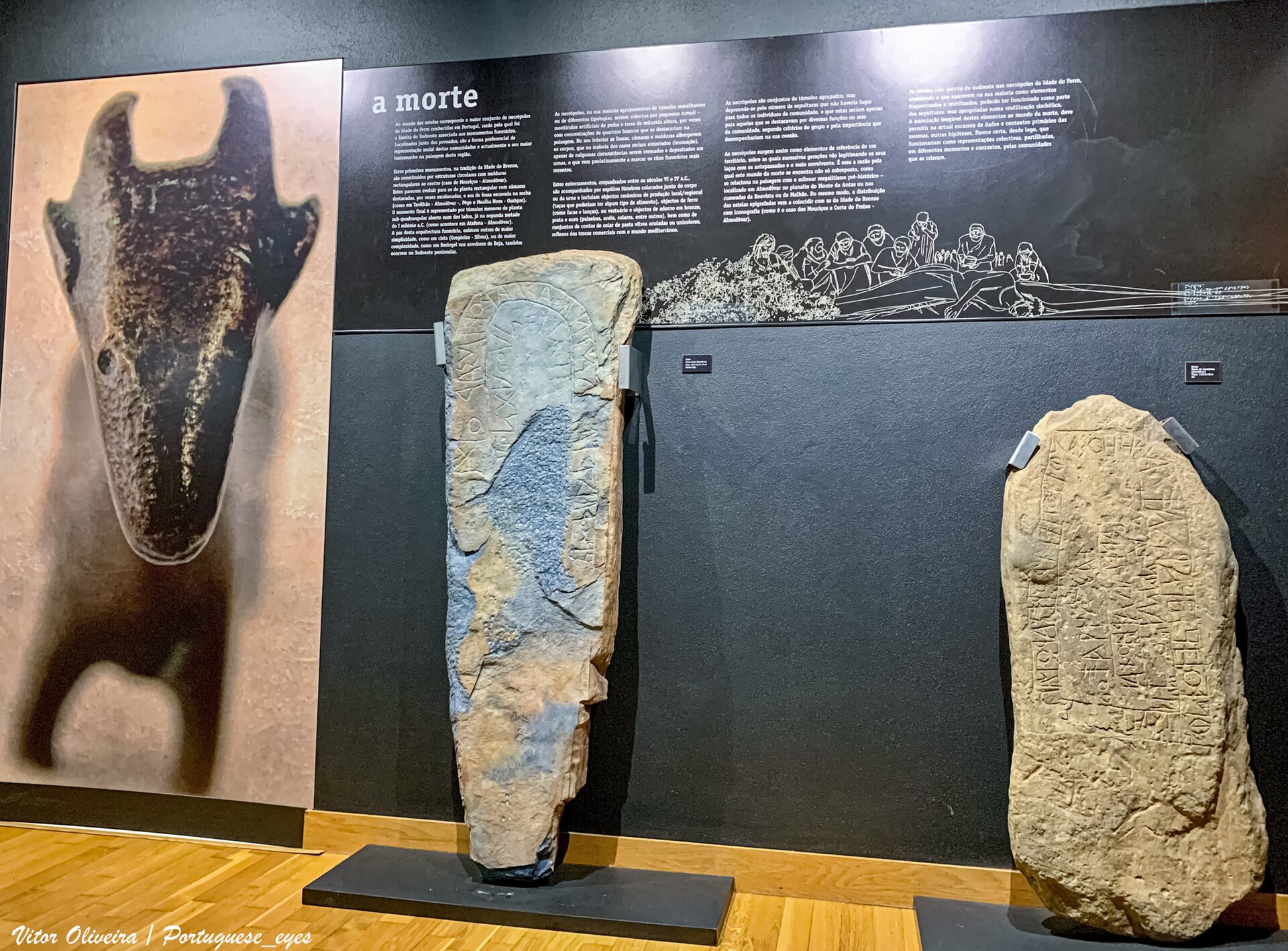
MESA, Museum of the Southwest Script
1 hour
The reference museum for the oldest script in the Iberian Peninsula, still undeciphered. In the centre of Almodôvar.

Almodôvar Historic Centre
1-2 hours
The Igreja Matriz de Santo Ildefonso, designed in 1592, and the former Franciscan convent that is now the Cultural Forum.
Santo Amaro Viewpoint and the Night Sky
Chapel and viewpoint with a picnic area at the exit toward the A2, and a dark sky the municipality promotes for stargazing.
MESA, Museum of the Southwest Script
Details
| Address | Rua do Relógio, 7700-065 Almodôvar |
| Opening hours | Daily, 10:00-13:00 and 14:00-18:00 |
| Closed | Public holidays |
| Phone | +351 286 665 357 |
| mesa@cm-almodovar.pt |
Highlights
- ◆Stelae with Southwest Script
- ◆Terracotta head from Mesas do Castelinho
- ◆Guided visits and shop
- ◆Accessible to visitors with reduced mobility
Practical Information
Suggested duration: 1 hour
Contact: +351 286 665 357, mesa@cm-almodovar.pt
- •Combine it with a stroll through Almodôvar's historic centre
Almodôvar Historic Centre
Details
| Main church | Designed in 1592 by Nicolau de Frias |
| Typology | Hall church (igreja-salão) |
| Convent | Founded in 1680 (Franciscan) |
| Today | Almodôvar Cultural Forum |
Highlights
- ◆Igreja Matriz de Santo Ildefonso
- ◆Convento de Nossa Senhora da Conceição (Cultural Forum)
- ◆Regional products: medronho, honey, cheese
Practical Information
Suggested duration: 1-2 hours
Entry: Free
Contact: Almodôvar Town Hall: +351 286 660 600
Santo Amaro Viewpoint and the Night Sky
Highlights
- ◆Viewpoint and picnic area
- ◆Access ramps and parking
- ◆Dark sky for stargazing
Practical Information
Entry: Free
- •Bring a warm layer for the evening, even in summer
The Wider Region
From the upper Mira valley to the Atlantic coast: the Santa Clara reservoir, the river that flows north, and one of the best preserved coastlines in Europe.
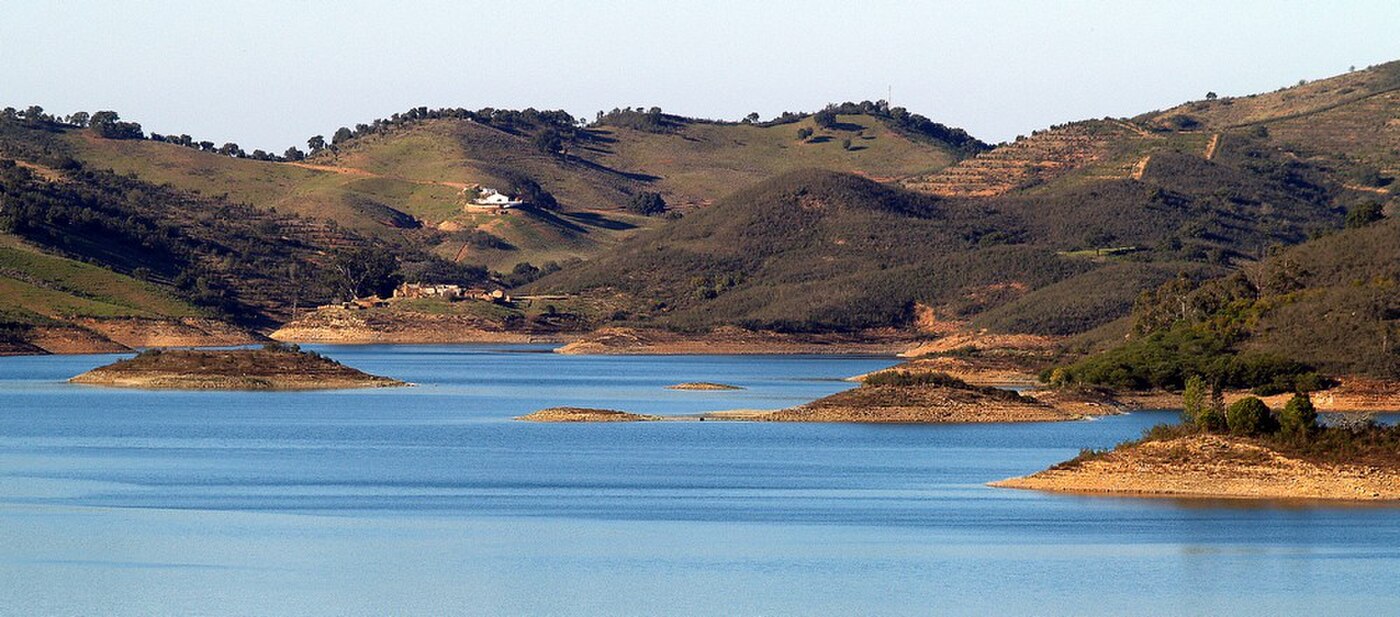
Santa Clara Dam and Reservoir
1-3 hours
The great reservoir of the Rio Mira, in the Odemira municipality: 1,986 hectares of water among montado hills.
Rio Mira
It rises in the Serra do Caldeirão, in the Almodôvar municipality, and flows about 130 km to the Atlantic, from south to north.
Southwest Alentejo and Vicentine Coast Natural Park
Half a day to several days
Over 100 km of preserved coastline between Porto Covo and Burgau: the only place in the world where white storks nest on sea cliffs.
Santa Clara Dam and Reservoir
Details
| Inaugurated | 11 May 1969 |
| Reservoir | 1,986 hectares |
| Capacity | 480 million m³ |
| River | Mira |
| Municipality | Odemira (4 km from Santa Clara-a-Velha) |
Highlights
- ◆Canoeing and rowing
- ◆Sport fishing: largemouth bass, carp, crayfish
- ◆Sunset over the water
- ◆Montado hills all around
Practical Information
Suggested duration: 1-3 hours
Entry: Free
Contact: Odemira Town Hall: +351 283 320 900
- •Access via Santa Clara-a-Velha (Odemira)
- •Great picnic spot
- •Sunscreen and water in summer
Rio Mira
Details
| Source | Serra do Caldeirão (Almodôvar municipality) |
| Length | ~130 km |
| Mouth | Vila Nova de Milfontes |
| Curiosity | Flows from south to north |
Southwest Alentejo and Vicentine Coast Natural Park
Details
| Area | 74,786 hectares |
| Coastline | Over 100 km |
| Flora | ~750 species (12 endemic) |
| Municipalities | Odemira, Sines, Aljezur, Vila do Bispo |
Highlights
- ◆White storks nesting on sea cliffs (unique in the world)
- ◆Wild beaches
- ◆Endemic flora
- ◆Rota Vicentina walking routes
Practical Information
Suggested duration: Half a day to several days
Entry: Free
- •Vila Nova de Milfontes at the mouth of the Mira (~70 km)
- •Beaches with few or no facilities
- •Rota Vicentina for multi-day walks